
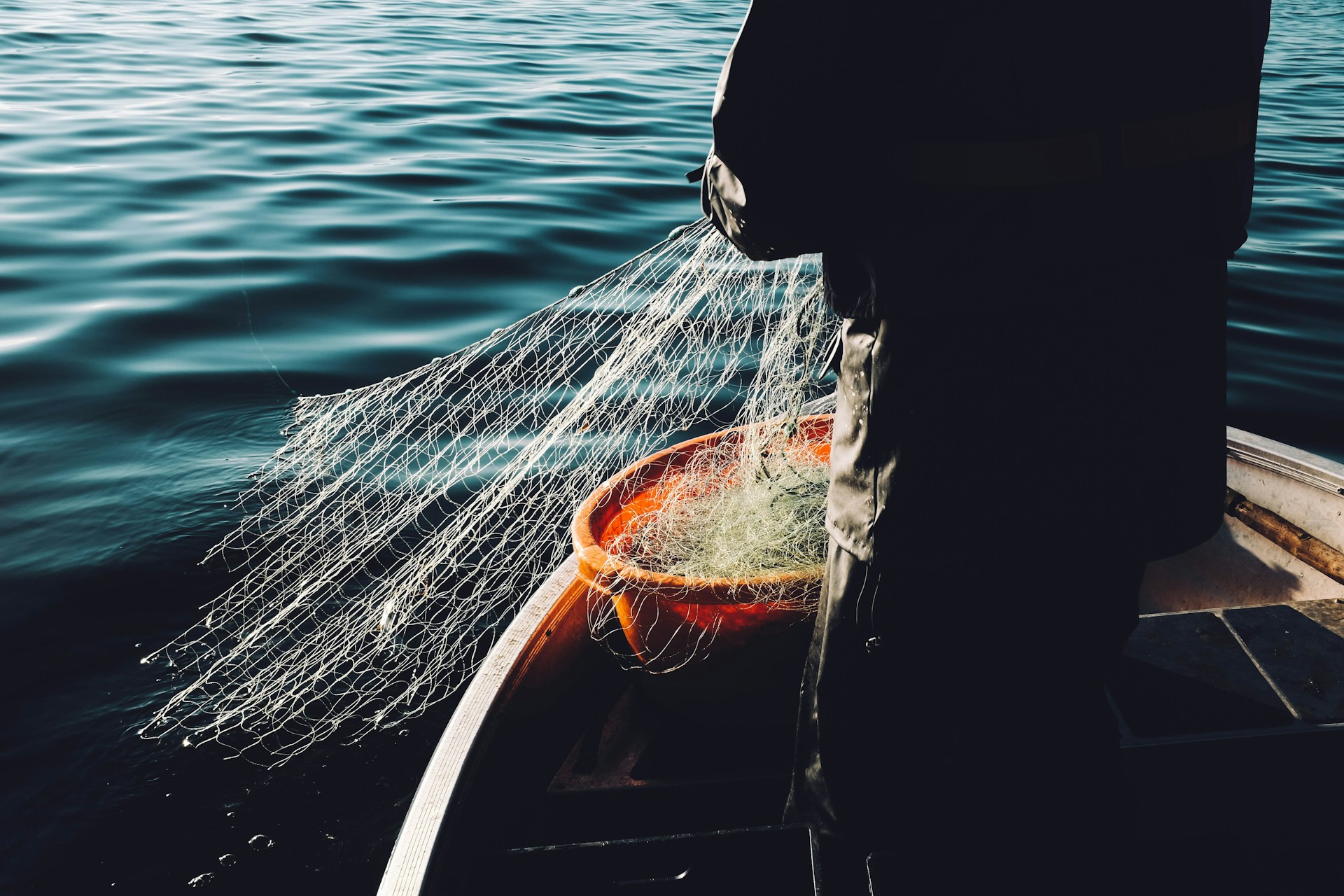
Imagine a world where your favorite seafood salmon, tuna, or shrimp could disappear from your plate within a few decades. Overfishing and irresponsible practices are pushing many fish species to the brink, threatening not only the delicate balance of our oceans but also the global food supply.
Fishing has been a cornerstone of human sustenance and commerce for centuries, providing billions of people with a vital source of protein and supporting livelihoods around the globe. Yet, with growing demand and intensive fishing methods, our oceans face unprecedented pressure. This is where sustainable fishing comes in a practice that ensures we harvest seafood responsibly, maintaining healthy fish populations and protecting marine ecosystems for future generations. Today, sustainable fishing isn’t just an environmental concern; it’s a matter of global food security, economic stability for coastal communities, and the health of our planet’s oceans.
What Is Sustainable Fishing?
A. Definition and Principles
Sustainable fishing is the practice of harvesting fish in a way that maintains healthy populations and preserves the overall balance of marine ecosystems. At its core, it’s about balancing human demand with ecological responsibility. This means avoiding overfishing, protecting endangered species, and taking measures to ensure that future generations can also enjoy the bounty of the oceans. By respecting these principles, fisheries can continue to provide food, employment, and economic value without depleting resources or damaging marine habitats.
B. Methods of Sustainable Fishing
To achieve sustainability, fisheries employ a range of responsible techniques. Selective fishing methods reduce the capture of non-target species, also known as bycatch, which can harm the broader ecosystem. Seasonal fishing restrictions allow fish populations to reproduce and recover during critical breeding periods, preventing long-term depletion. Additionally, fishing quotas and regulations set limits on the amount of fish that can be caught, ensuring that extraction does not exceed the natural capacity of the population to replenish itself.
C. Certification and Standards
Consumers today can make informed choices thanks to certification programs like the Marine Stewardship Council (MSC), which sets global standards for sustainable fishing practices. Products bearing these certifications indicate that the seafood was harvested responsibly, minimizing ecological impact. By choosing certified seafood, shoppers can support sustainable fisheries and contribute to the health of the oceans.
Why Sustainable Fishing Matters
A. Environmental Importance
Sustainable fishing plays a crucial role in preserving marine ecosystems. By preventing overfishing, we reduce the risk of species depletion and maintain biodiversity, which is vital for resilient ocean ecosystems. Responsible practices also minimize habitat destruction, such as damage caused by trawling, helping coral reefs and seabeds remain healthy and productive.
B. Economic and Social Importance
Beyond environmental benefits, sustainable fishing supports the livelihoods of millions of fishermen worldwide. Healthy fish populations ensure a steady supply of seafood, providing food security for communities that rely heavily on marine resources. Moreover, responsible industry practices foster long-term economic stability for coastal regions, helping communities thrive without compromising their natural resources.
C. Global Impact
Sustainable fishing also has far-reaching global implications. Healthy oceans contribute to climate resilience by absorbing carbon dioxide and regulating ecosystems. Furthermore, sustainable fisheries align with the United Nations Sustainable Development Goals, particularly those focused on life below water and sustainable food systems, making them critical for broader environmental and social progress.
Challenges to Sustainable Fishing
Despite its importance, sustainable fishing faces several hurdles. Illegal, unreported, and unregulated (IUU) fishing undermines efforts to conserve fish populations. Climate change affects water temperatures and migratory patterns, impacting fish availability. Additionally, market demand for cheap seafood can encourage unsustainable practices, while lack of consumer awareness reduces support for sustainable options. Addressing these challenges requires coordinated action from governments, industries, and consumers.
How Individuals Can Make a Difference
Consumers have the power to drive change through their choices. Choosing certified sustainable seafood ensures that purchases support responsible fisheries. Reducing seafood consumption or diversifying sources also eases pressure on vulnerable species. Beyond personal habits, individuals can support policies and organizations dedicated to ocean conservation, amplifying efforts to protect marine ecosystems for future generations.
Conclusion
Sustainable fishing is more than an environmental concern it’s a vital practice that safeguards marine ecosystems, supports global food security, and preserves economic stability for communities reliant on fishing. By understanding its importance and making responsible choices, consumers, industries, and policymakers can work together to ensure that our oceans remain abundant and thriving for generations to come.