
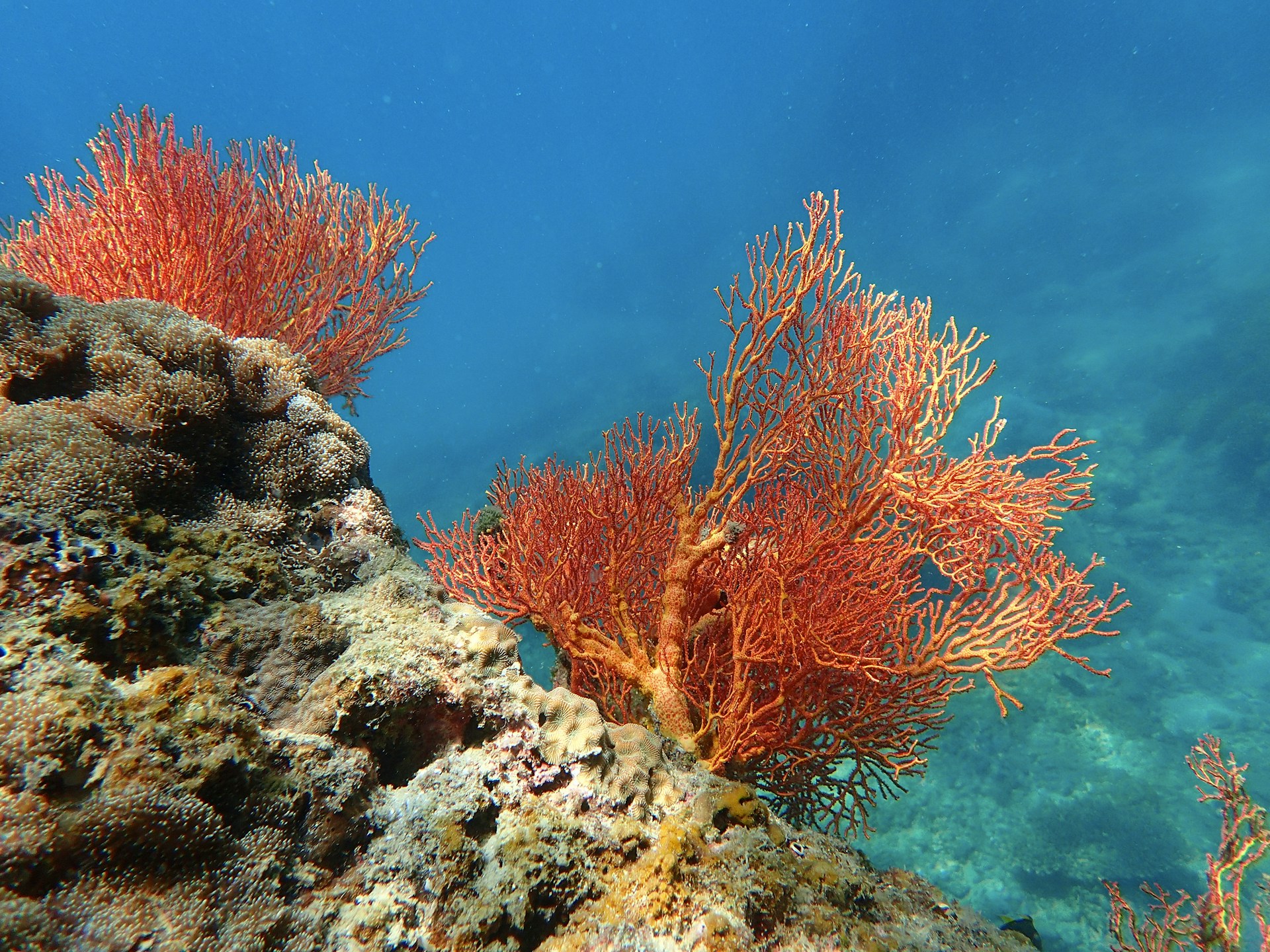
Beneath the ocean’s surface lies a world of dazzling colors and vibrant life coral reefs, often called the “rainforests of the sea.” Yet, these underwater marvels are facing an unprecedented threat, slowly turning ghostly white in a phenomenon known as coral bleaching.
Coral reefs cover less than 1% of the ocean floor, yet they support roughly a quarter of all marine species. They provide shelter for countless fish, protect coastlines from storms, and sustain the livelihoods of millions of people through fisheries and tourism. However, these delicate ecosystems are under siege. Rising ocean temperatures, driven by climate change, are causing corals to expel the tiny algae that give them their color and energy a process known as coral bleaching. When bleaching persists, entire reefs can die, leaving behind barren, lifeless structures.
This article explores how climate change is intensifying coral bleaching worldwide, the devastating impact on marine ecosystems, and why the fate of coral reefs is intricately tied to the health of our oceans and the future of life on Earth.
Understanding Coral Reefs
A. Anatomy of Coral Reefs
Coral reefs are formed by tiny, living organisms called corals, which secrete calcium carbonate skeletons that build up over centuries into vast, complex structures. These corals maintain a vital partnership with microscopic algae known as zooxanthellae. These algae live within coral tissues, providing corals with essential nutrients through photosynthesis and giving them their vibrant colors. In return, corals provide the algae with a protected environment and access to sunlight. This symbiotic relationship is the backbone of reef health and productivity.
B. Biodiversity and Ecosystem Services
Coral reefs are among the most biodiverse ecosystems on Earth. They serve as home to thousands of marine species, from tiny invertebrates to large fish, supporting intricate food webs. Beyond biodiversity, reefs act as natural barriers, protecting coastal communities from storm surges and erosion. Economically, they are indispensable: fisheries provide food and livelihoods for millions, while reef tourism generates billions in revenue globally. The loss of coral reefs would reverberate through both ecological and human systems.
What is Coral Bleaching?
Coral bleaching occurs when corals become stressed, most commonly due to elevated water temperatures, causing them to expel their symbiotic zooxanthellae. Without these algae, corals lose both their vibrant colors and a crucial energy source, leaving them pale and vulnerable. If stressful conditions persist, the corals can starve and die, leading to a decline in reef health and the ecosystems that depend on them.
Causes of Coral Bleaching
A. Rising Sea Temperatures
Global warming has increased the frequency and intensity of marine heatwaves. Corals are highly sensitive to temperature changes; even a rise of 1–2°C above their normal summer maxima can trigger bleaching events.
B. Ocean Acidification
As oceans absorb more carbon dioxide from the atmosphere, seawater becomes more acidic. This hampers corals’ ability to build and maintain their calcium carbonate skeletons, making them more fragile and less resilient to stress.
C. Pollution and Runoff
Excess nutrients from agricultural runoff, chemicals, and sedimentation can smother corals or disrupt the delicate balance between corals and algae, exacerbating bleaching.
D. Other Stressors
Overfishing, destructive tourism practices like anchoring on reefs, and disease outbreaks further weaken coral resilience, making them more susceptible to environmental stress.
The Role of Climate Change
Human-induced climate change is the primary driver of widespread coral bleaching. Rising greenhouse gas emissions contribute to both ocean warming and acidification, accelerating the stress on reefs. Over the past few decades, global bleaching events have become more frequent and severe, affecting major reef systems like the Great Barrier Reef and Caribbean reefs. These case studies highlight the urgent need to address climate change to preserve these ecosystems.
Ecological and Socioeconomic Impacts
Bleaching not only devastates coral populations but also threatens marine biodiversity. Fish and other reef-dependent species lose critical habitats, jeopardizing food security for millions. Economically, fisheries and reef tourism suffer, leading to significant financial losses for coastal communities. Additionally, the protective function of reefs diminishes, leaving shorelines more vulnerable to storms and erosion.
Efforts to Mitigate Coral Bleaching
Global initiatives, such as the Paris Agreement and the establishment of marine protected areas, aim to reduce greenhouse gas emissions and safeguard reef habitats. Restoration projects, including coral gardening and assisted evolution, focus on strengthening reef resilience. Locally, efforts like sustainable fishing practices, reducing pollution, and responsible tourism help mitigate immediate stressors on reefs, buying time for broader climate action.
Future Outlook
If current trends continue, many coral reefs could face collapse within decades. However, under scenarios of rapid emissions reduction and strong conservation measures, some reefs may survive and even recover. Resilient reefs in areas less affected by human activity offer hope, and adaptive strategies such as selective breeding of heat-tolerant corals could enhance survival. Urgent action is critical to prevent widespread reef loss.
Conclusion
Coral reefs are vital indicators of ocean health, yet they are under unprecedented threat from climate change. Bleaching events are a stark reminder of how interconnected human actions and natural systems are. By reducing carbon emissions, protecting reef habitats, and supporting restoration efforts, individuals, governments, and organizations can help safeguard these irreplaceable ecosystems for future generations.