
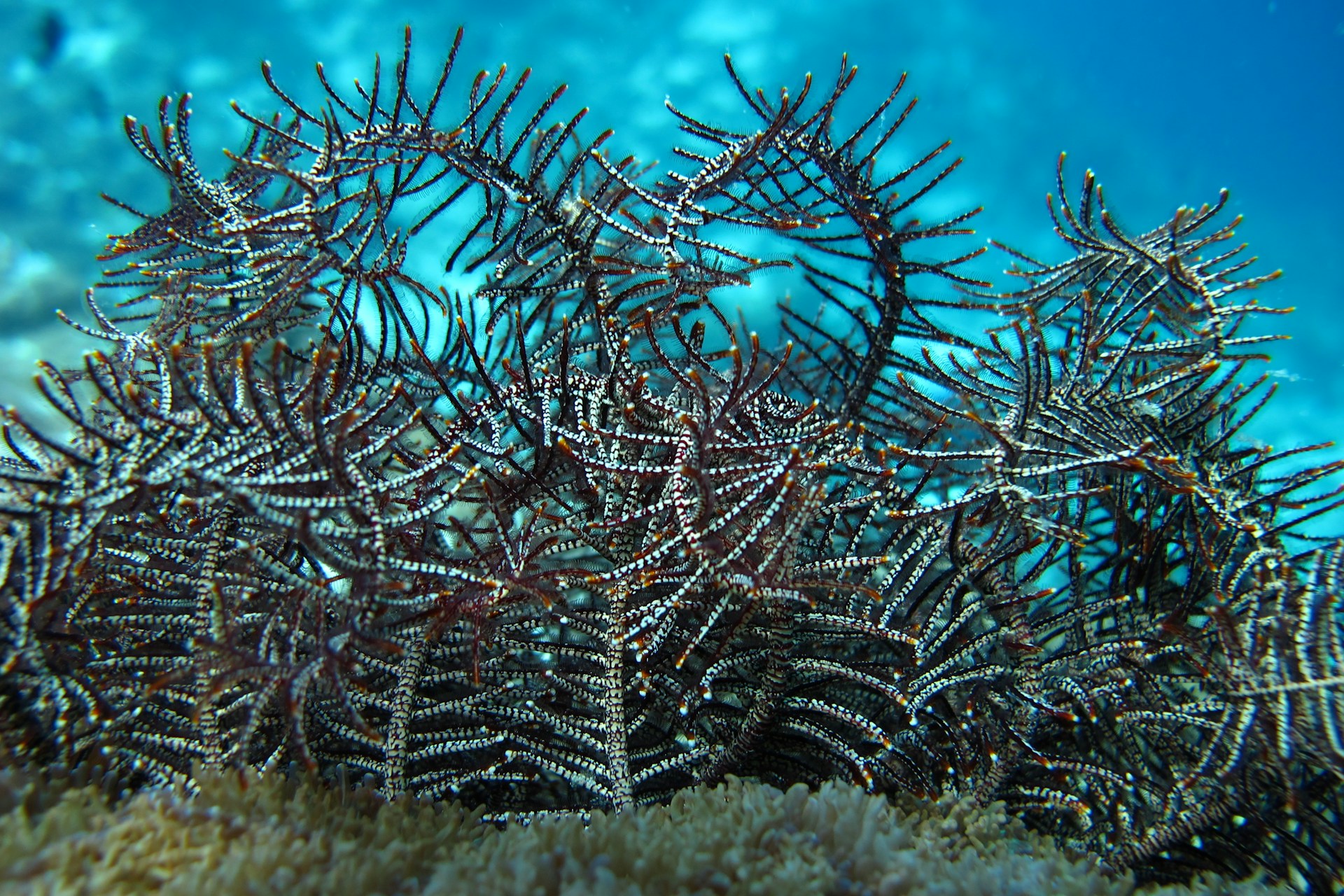
Beneath the ocean’s surface lies a world more mysterious than the surface of distant planets the deep sea. Covering over 60% of Earth’s surface, these dark, high-pressure depths remain largely unexplored, harboring ecosystems that challenge our understanding of life itself. For centuries, scientists could only imagine what thrived in these alien environments, but recent technological breakthroughs are finally revealing their secrets.
The significance of these discoveries cannot be overstated. Each new species found, every unique ecosystem uncovered, reshapes how marine biologists view life in extreme environments and the intricate connections that sustain our oceans. From hydrothermal vents teeming with chemosynthetic life to previously unknown coral gardens in the abyss, these findings are rewriting textbooks and inspiring new questions about evolution, adaptation, and the resilience of life.
This article explores the most remarkable recent deep-sea discoveries that have transformed marine biology, highlighting the innovations in exploration and the groundbreaking insights that continue to deepen our understanding of the planet’s final frontier.
Exploring the Depths Modern Technologies and Methods
Exploring the deep sea was once the stuff of dreams, but modern technology has turned those dreams into reality. Advances in submersibles and remotely operated vehicles (ROVs) now allow scientists to venture into the ocean’s most extreme environments, from the crushing pressures of the Mariana Trench to the pitch-black abyssal plains. These vessels can withstand conditions that would obliterate humans, carrying researchers, cameras, and sampling equipment to reveal life forms and landscapes never before seen.
Complementing these exploratory vehicles are high-resolution imaging and sensor technologies. Sonar mapping, environmental sensors, and ultra-sensitive cameras provide detailed data on underwater topography, temperature, chemical composition, and biological activity. This wealth of information allows scientists to study ecosystems in situ without disturbing their delicate balance.
Beyond visual observation, genetic and molecular tools are revolutionizing deep-sea research. Environmental DNA (eDNA) and genomic analysis enable researchers to detect and identify species from water samples alone, uncovering hidden biodiversity that might otherwise remain invisible. These techniques are opening doors to discoveries of entirely new species and populations, expanding our understanding of life in the deep ocean.
Major Recent Discoveries in the Deep Sea
One of the most thrilling outcomes of these technologies has been the identification of new species. Strange fish with bioluminescent features, bizarre crustaceans, and uniquely adapted invertebrates are emerging from extreme depths, challenging scientists’ ideas about evolution and adaptation. Each discovery provides a glimpse into how life can thrive under conditions once thought inhospitable.
Hydrothermal vent ecosystems have also captured the spotlight. Newly discovered vent fields support communities of organisms that survive without sunlight, relying instead on chemosynthesis a process where microbes convert minerals from the Earth’s crust into energy. These ecosystems demonstrate that life can flourish in complete darkness and extreme heat, offering insights into the possibilities of life beyond Earth.
Deep-sea exploration has also revealed extensive coral and sponge reefs. Unlike their shallow-water counterparts, these deep-sea gardens thrive in cold, dark waters, providing habitats for countless species and playing a critical role in nutrient cycling and carbon storage. They are not only biodiversity hotspots but also essential contributors to the health of global marine ecosystems.
Another remarkable discovery is the prevalence of extreme adaptations. Organisms capable of surviving immense pressure, near-freezing temperatures, and toxic chemical exposure show extraordinary resilience. Studying these adaptations could lead to breakthroughs in medicine, biotechnology, and our understanding of life’s boundaries.
How These Discoveries Are Changing Marine Biology
These discoveries are expanding knowledge of biodiversity, revealing that the deep ocean is far more species-rich than previously thought. Estimates suggest that millions of deep-sea species remain undocumented, hinting at the vast, untapped potential of these ecosystems.
They are also revising ecological theories. Observations of complex food webs, symbiotic relationships, and unique energy pathways in extreme environments are reshaping scientists’ understanding of ecosystem function and resilience. What was once considered rare or impossible is now understood as a natural adaptation to extreme conditions.
Moreover, these findings carry significant conservation implications. As interest in deep-sea mining grows, understanding these fragile ecosystems becomes crucial. Protecting deep-sea habitats is essential not only for preserving biodiversity but also for maintaining the ocean’s role in regulating global climate.
Future Directions
Despite these breakthroughs, much of the deep sea remains unexplored. Expeditions continue to target uncharted areas like the Mariana Trench, abyssal plains, and polar deep seas, promising more surprises.
Emerging technologies, including AI-assisted exploration, advanced robotics, and autonomous drones, will accelerate these efforts, allowing continuous monitoring and more precise data collection than ever before.
Finally, the potential applications of deep-sea discoveries are vast. From medicine and biotechnology to climate research, understanding the adaptations and unique biology of deep-sea organisms could inspire innovations that benefit humanity while deepening our respect for Earth’s final frontier.
Conclusion
Recent deep-sea discoveries are reshaping marine biology, revealing a world of life more diverse and resilient than previously imagined. As technology continues to push the boundaries of exploration, the deep ocean remains one of the last great frontiers on our planet an uncharted realm promising transformative insights and endless wonder.